
Fall Driving - Slow Down, Stay Alert, Scan Ahead
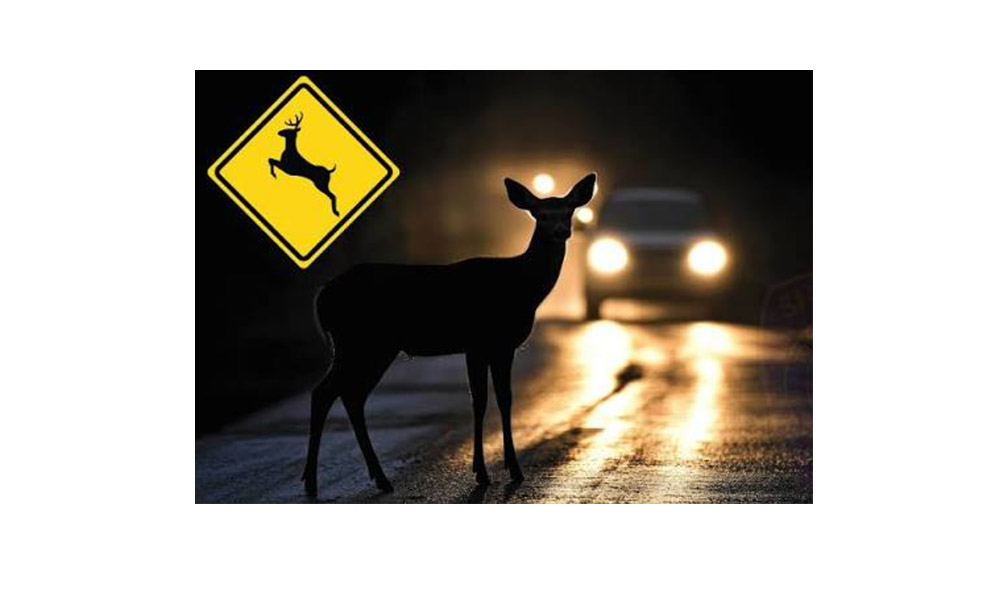
As we move toward fall, wildlife activity increases and daylight hours become shorter, making animals more difficult to see, increasing the potential for vehicle-wildlife collisions.
In October 2025, three CEDA vehicles were involved in deer strikes while travelling to worksites. We are sharing these incidents now as a reminder to prepare for the seasonal increase in wildlife activity before we see the same trend again. Now is the best time to reset our focus on vehicle safety before these seasonal risks become more challenging.
Fall Driving Risks
Wildlife can enter the roadway with little warning, be aware of increased risk periods.
- October is the peak month for wildlife-vehicle collisions, with deer representing about 55% of those incidents.
- The highest risk period for wildlife collisions is September through November, between 7 p.m. and 11 p.m.
Seeing one animal means there may be more.
- Wildlife often travels in groups. If you see one animal near or crossing the roadway, slow down and be prepared for others to follow.
- Visibility matters.
- Wildlife is more difficult to see during early morning, evening and other low-light conditions. As daylight hours decrease, drivers need to be especially alert and actively scan the roadway and surrounding areas.
Fall Driving Strategies
- Reduce your speed when wildlife may be present or visibility is limited.
- Actively scan the roadway, shoulders and ditches for movement.
- Be especially alert during early morning, evening and other low-light conditions.
- If you see one animal, expect others may follow and slow down accordingly.
- Pay attention to wildlife crossing signs and areas where animals are known to cross.
- Keep headlights and windshields clean and use high beams when safe and appropriate.
- If an animal enters your path, brake firmly and avoid sudden swerving where possible.
- Fall driving requires us to anticipate hazards that may not be visible until they are very close. Slow down. Stay alert. Scan ahead. Be prepared for wildlife.
For more information, refer to CEDA’s Transportation Safety Policy or contact your regional HSE Advisor.