
Wildfire Preparedness
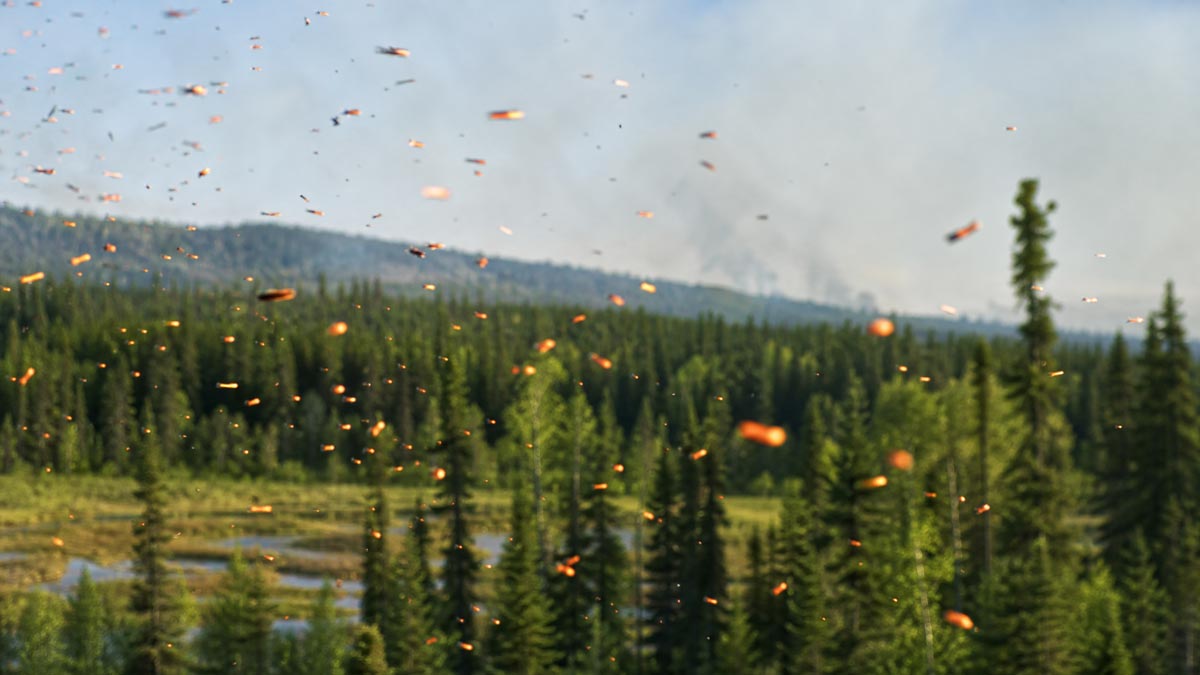
With wildfire season underway and conditions increasingly unpredictable, the risk of wildfires is escalating across many regions of Canada. This threat is not just limited to the fire line; wind-driven embers can travel great distances, often igniting homes long before a forest fire is even visible. In fact, up to 90% of structures lost during wildfires ignite not from direct flames, but from these embers. Preparing now, before the season peaks, can make the difference between a safe evacuation and a hazardous emergency.
How to Prepare
- Get informed – understand your local coverage and have alternative ways to stay informed whether you live remotely, are travelling or are spending time in the backcountry.
- Check fire danger ratings for your area and learn about your community’s wildfire history to help you assess current conditions and make informed decisions.
- Maintain an emergency kit with essential supplies and wildfire-specific items including personal protective equipment.
- Keep your vehicle’s gas tank full in case fuel stations lose power or are closed.
- Keep a vehicle emergency kit and include an extra phone charger.
- Create an emergency plan that helps prepare your loved ones for wildfire by ensuring everyone knows where to go and how to respond, even if separated when it occurs.
Ignition Zones
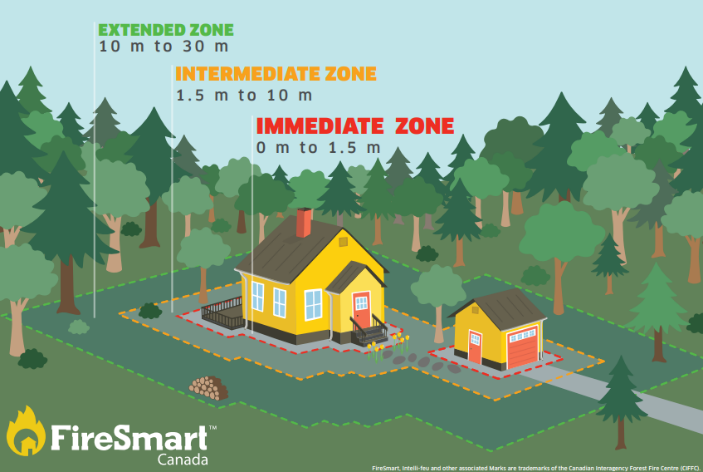
FireSmart Canada has provided the following recommendations regarding managing ignition zones:
- Immediate Zone: Non-Combustible Area – Clear vegetation and combustible material.
- Intermediate Zone: Managed to prevent fire from reaching the structure – Keep combustible items like firewood piles, construction materials out of this zone.
- Extended Zone: The goal is to reduce the intensity of the fire – Regularly clean up accumulations of debris (grass, fallen branches, etc.).
Resources
Below are resources that support wildfire planning and offer up to date information on local fire activity.
Energy Safety Canada
British Columbia
- Wildfire Preparedness
- Wildfire Preparedness Guidebook
- Emergency Evacuation Planning for your Workplace
- Wildfire Evacuation Planning Checklist
- 12 Tips for an Effective ERP
Alberta
Saskatchewan
- Saskatchewan Wildfire Prevention and Preparedness Plan – The province’s framework for industrial operators to reduce human-caused ignitions.
Please refer to CEDA’s Working in Extreme Weather Practice for more information.